Snapshot
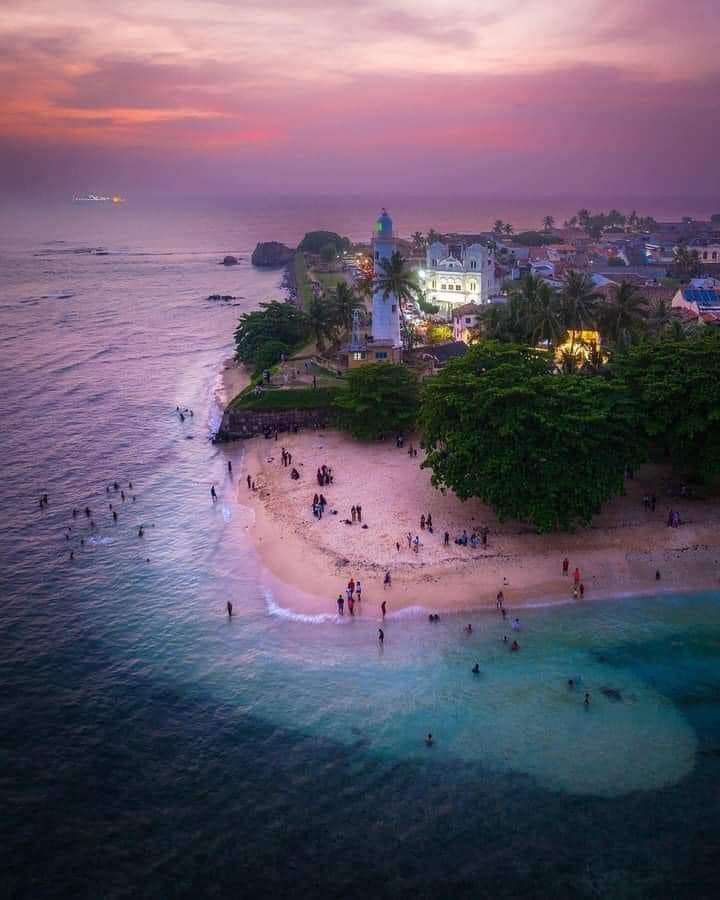
Galle is thriving. The fortified old town is enjoying an artistic renaissance and the beautiful beaches around it are dotted with luxurious villas and classy boutique hotels. The revival of Galle has also influenced its coastline and it is this area – predominantly south of the town - where Galle’s pull is at its strongest that we prefer to term the Galle coast. Galle’s main attraction is the 17C Dutch Fort, a UNESCO protected World Heritage site. But it is also the gateway to the upmarket beach settlement of Thalpe and the sandy beaches of Unawatuna, Koggala and Habaraduwa.
Weather
Traditionally, the best time to visit the Galle coast is from mid-November to April, with similar weather patterns to the west coast. Between May and September, travel east beyond Galle along the south coast and more settled weather can often result. October can see heavy rain, although by November good weather is expected till May. Sri Lanka is affected by two monsoons which generally means that there is good weather somewhere. The main south-west (“yala”) monsoon brings rain to the west and south-west coasts and hills largely between May and July. The north-east (“maha”) monsoon hits the east coast predominantly from November to January. There is also an inter-monsoonal period of unsettled weather in October.
Getting There
Once you escape the hubbub of Colombo, the journey south to Galle is a pleasant one along the Southern highway which, once accessed, takes another hour by car. There is also the old Galle Road that hugs the coastline and takes about three-and-a-half hours. For those travelling from the hill country, the Galle coast can be accessed via Deniyaya and Akuressa. Galle can be reached by car, train or the Air Taxi service which lands on Koggala Lake.
Highlights
- Wander along the ramparts of Galle Fort
- Visit Galle’s museums, shops and art galleries
- Loll on Unawatuna’s horseshoe beach
- Surf and enjoy sunset cocktails at Wijaya Beach
- Watch international cricket at the Galle stadium
- Meander down mangrove-lined rivers
Galle Fort:
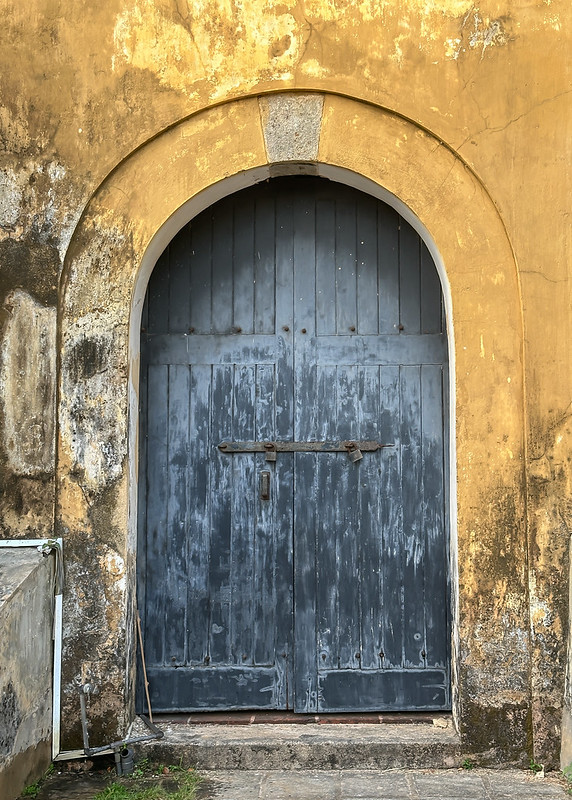
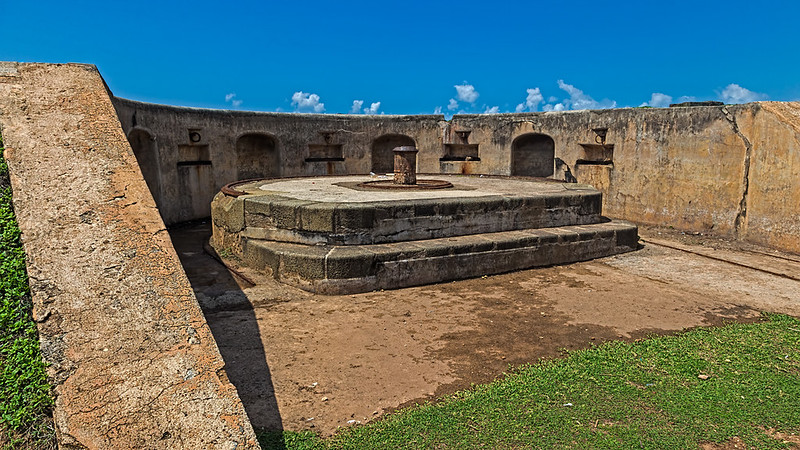
This UNESCO World Heritage Site, originally built by the Portuguese and then further developed by the Dutch and the British, is one of Sri Lanka\'s most-loved areas. It covers nearly four sq kms, and is protected by 12 bastions and connecting ramparts. A maze of narrow roads lined with small houses and shops with Dutch names still remain. Recently, a spate of old colonial houses within the Fort have been intelligently renovated and made into exquisite boutique villas and hotels retaining
the colonial architectural features including arches and columned courtyards, verandas, and high ceilings. A collection of arts and craft shops make this one of Sri Lanka\'s most vibrant quarters. Galle National Museum and Galle Maritime Museum are housed in the heart of the Fort.
Galle International Cricket Stadium:
Galle Stadium is one of cricket\'s most-loved venues. The simple ground is flanked by the Indian Ocean and with the impressive 17C Galle Fort behind the bowlers at one end, you could barely imagine a more stunning environment in which to enjoy a cricketmatch. After the 2004 tsunami, it was thought that international cricket would never return to Galle. But thanks to the global cricket community, among them Shane Warne who took his 500th wicket at the ground, the ground has been restored.
Galle Literary Festival:
The inaugural Festival in 2007 was immediately listed by Harpers Bazaar as one the six most appealing literary festivals, alongside such gatherings as the Hay Festival in Columbia and the Wexford Book Festival in Ireland. This annual event is a treat for those interested in English literature, the creative arts and the cultural heritage of Sri Lanka.
Koggala Folk Museum:
The late Martin Wickramasinghe, one of Sri Lanka’s most loved authors, grew up in the fishing village of Koggala. The Folk Museum that was the author’s dream was made a reality by the Martin Wickramasinge Trust and opened in 1981. Objects of folk culture acquired during his lifetime have been the starting point of the collection, which is growing annually.
Koggala Lake:
scattered with 16 small islands, is a peaceful setting. Fish eagles to monitor lizards share this habitat along with generations of villagers. Boating, kayaking, canoeing in a traditional \'oru\' and fishing and trolling on the lake are possible.
Yatagala Temple:
Inland from Galle, this temple is built around and within giant boulder-like rock formations. Quiet and little visited, the temple looks out over paddy fields and small hamlets.
Galle has long been a hub of trade with ships from all parts of the world docking in its natural harbour to barter their goods. Galle is even referred to as the Biblical `Tarshish’ where King Solomon\'s ships called at port to take aboard treasures.
The accidental arrival of the Portuguese Lorenzo De Almeida in 1505, when his fleet of ships steered off course following a storm, changed the history of this island nation. The Portuguese were followed by the Dutch in 1640 and then the British in 1796. Colombo became Sri Lanka’s main port in the 1870s and Galle’s influence waned, perhaps protecting its charm.
The majority of Galle’s population is Sinhalese but there are significant communities of Moors, Malays, Tamils and scattering of Europeans, largely British, attracted by rich cultural heritage, beautiful beaches and laidback, artistic lifestyles.
Galle
As one of Sri Lanka’s most popular tourist destinations, Galle boasts a wide range of great cafés and restaurants both inside the fort and along the surrounding coastline. Take a look at our Galle Restaurant Guide for our tried and tested recommendations. We also offer a hosted cooking class in this region where you can learn how to make traditional Sri Lankan rice and curry, either in a rustic village setting or the home of a Galle Fort family.
A truly exceptional experience