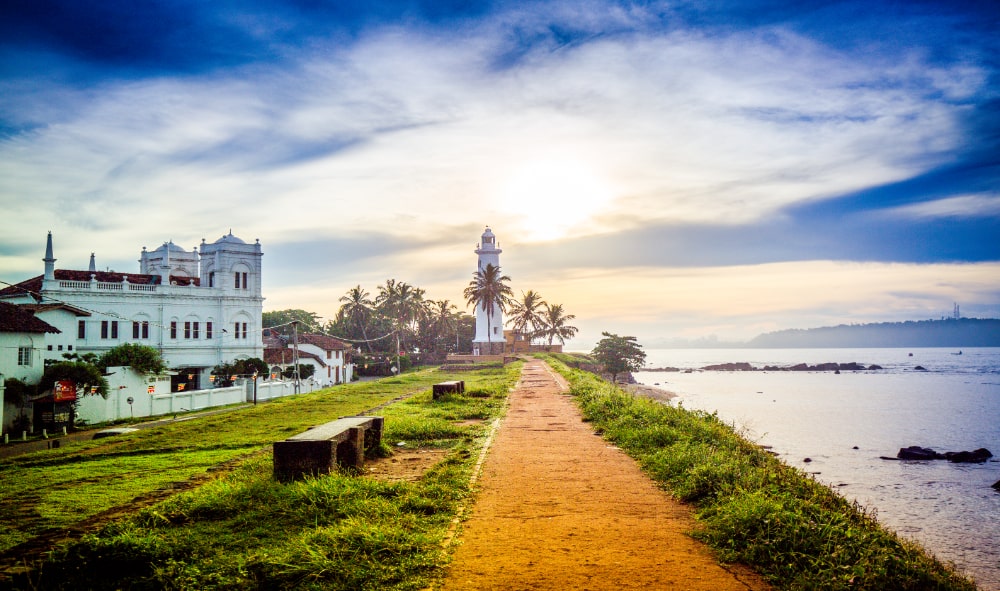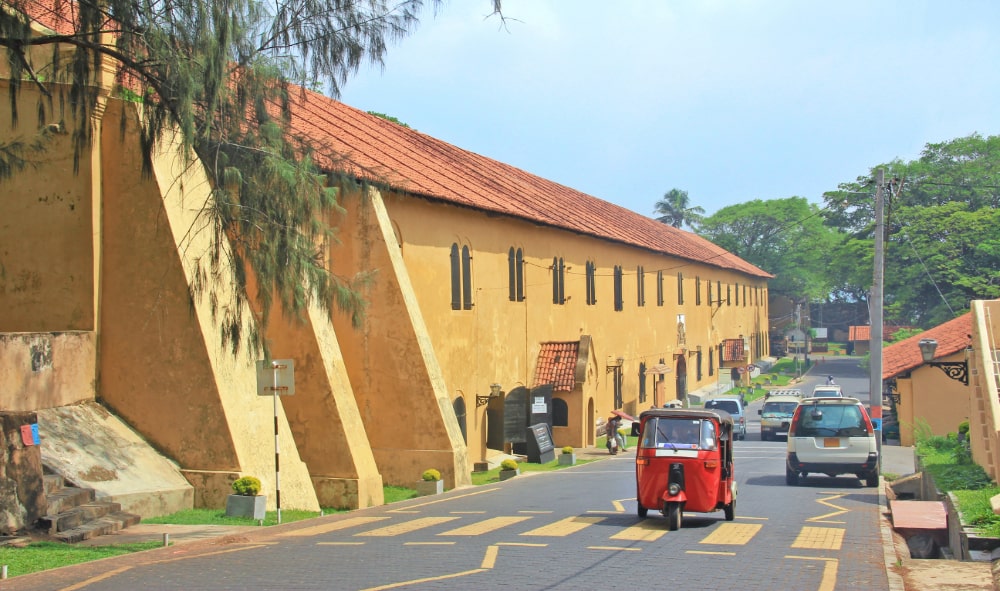

Galle Fort is a UNESCO World Heritage Site, originally built by the Portuguese in the 16th century and then further developed by the Dutch and the British over the next 350 years. It covers nearly 4sqkm and is protected by 12 bastions and connecting ramparts. During the early 18th century, the Old Dutch Gate was the entrance to the Fort, but subsequently the British built the Main Gate that is still used today. Buildings of interest include the Dutch Reformed Church, All Saints Church, Amangalla Hotel (formerly the New Oriental Hotel),the lighthouse and bell tower. The Dutch also developed what was then an innovative tide-based sewage-system within the Fort.Galle Fort is now comprised of a maze of narrow roads lined with small houses, restaurants, shops, villas and boutique hotels and is an utterly enchanting place to explore. The thick, high ramparts that protect and distinguish the Fort are today used for romantic evening strolls and early morning power-walks and offer wonderful views of the Indian Ocean. Wander through the quaint streets and explore the various art galleries, shops and eateries, or go on our Galle Fort Walking Tour to discover more about the history of the Fort and its vibrant, present-day multi-cultural society.
Best Time : 1 hour
Duration : Year-round
Galle Fort is now comprised of a maze of narrow roads lined with small houses, restaurants, shops, villas and boutique hotels and is an utterly enchanting place to explore. The thick, high ramparts that protect and distinguish the Fort are today used for romantic evening strolls and early morning power-walks and offer wonderful views of the Indian Ocean. Wander through the quaint streets and explore the various art galleries, shops and eateries, or go on our Galle Fort Walking Tour to discover more about the history of the Fort and its vibrant, present-day multi-cultural society.
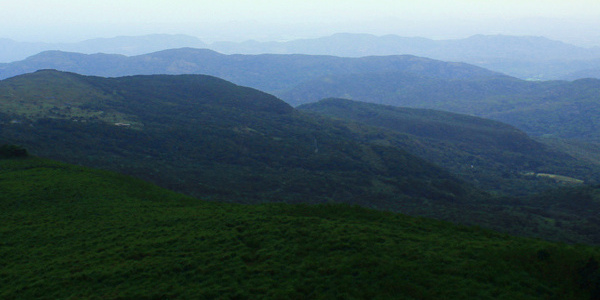
The Knuckles Mountain Range is perfect for hiking – a land of mystical peaks, chattering waterfalls and hidden hillside villages, with breathtaking visas and a remoteness that will appeal to experienced and novice hikers alike.
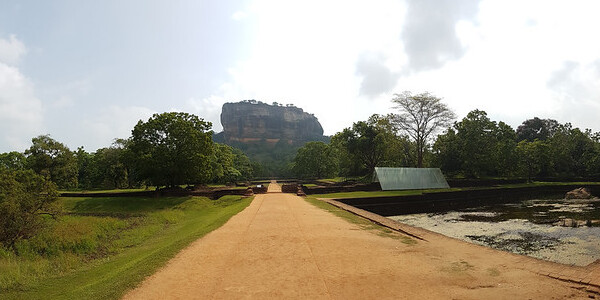
Sigiriya, a UNESCO World Heritage Site, is one of the most majestic, awe-inspiring and stunning historical locations in the world, built in the 5th century AD by ‘mad’ King Kasyapa.
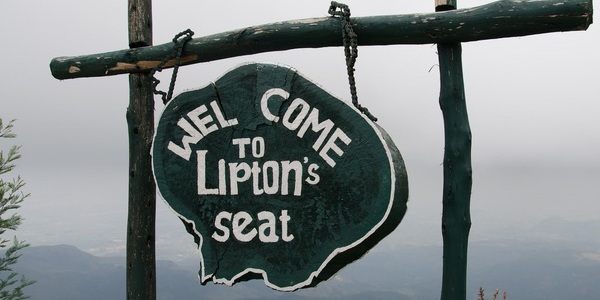
The favourite viewing point of Sir Thomas Lipton, Lipton’s Seat offers one of the most spectacular views of Sri Lanka’s Hill Country. Drive to the top, or walk up through the surrounding plantations.
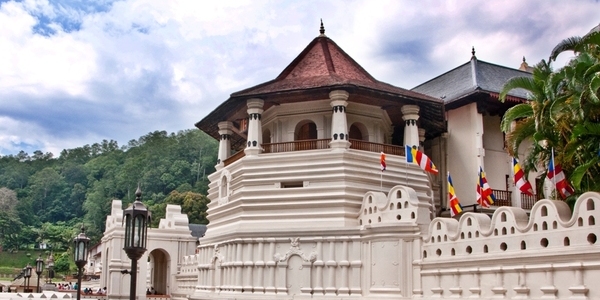
Tradition relates that a sacred tooth relic of Lord Buddha was brought to Sri Lanka in 4th century A.D. and has been enshrined in the Dalanda Maligawa, or Temple of the Tooth, since the late 1500s.
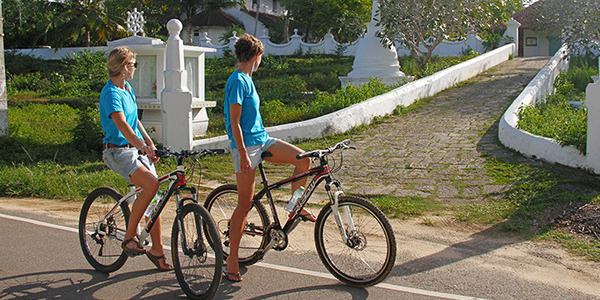
Cycle through Galle’s beautiful countryside, passing paddy fields dotted with iconic white egrets and water buffalo, quiet villages, tea and rice fields. Choose from a range of routes.
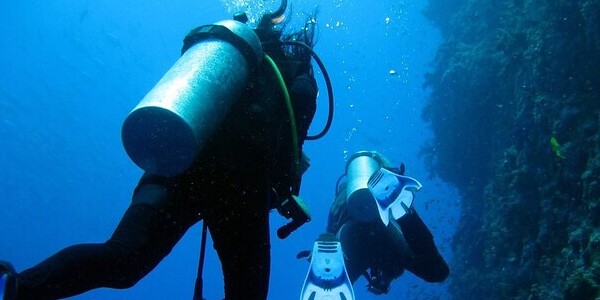
Discover the 6 best water-sport activities in Sri Lanka, from athletic surfing, kite-surfing and windsurfing to laidback snorkelling and sailing trips.
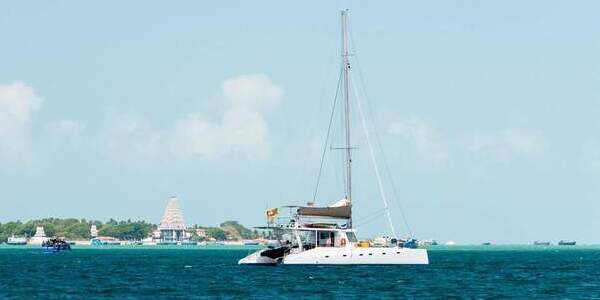
Set out from the shores of Trinco or Pasikudah in a catamaran and explore the splendour of Sri Lanka’s eastern coastline. Go to beautiful private coves and snorkel off colourful reefs.
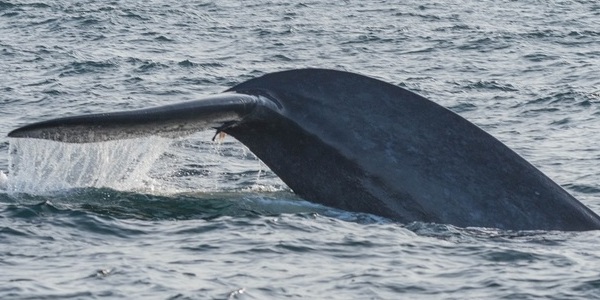
This modern catamaran complete with professional crew sets out from Mirissa Harbour at 6:30am, beating the other boats in order to have the best dolphin and whale sightings.
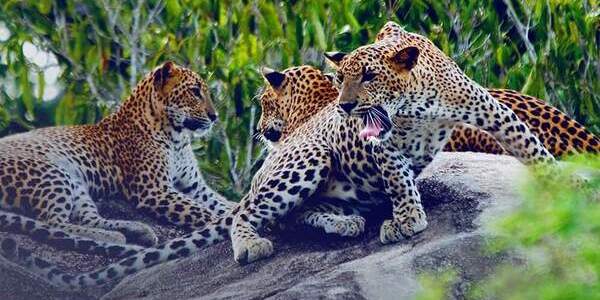
Yala National Park, situated in the south-east corner of the island, is home to the greatest variety of Sri Lanka’s wildlife including the island’s big game – elephants, leopards and sloth bears.
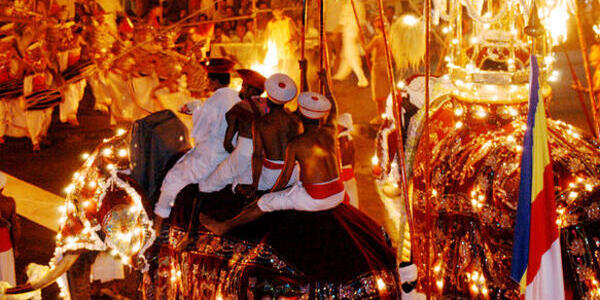
A `Perehara’ is a cultural procession, an ancient historic ritual where tradition, religion, and the arts all come together. The annual Kandy Perahera is an astonishing spectacle.
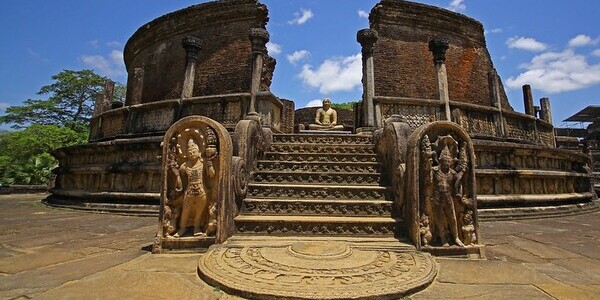
Sri Lanka’s medieval capital from 1073 until the late 1200s, the ruins of the Kingdom of Polonnaruwa are incredibly well-preserved and include magnificant granite sculptures of Lord Buddha.