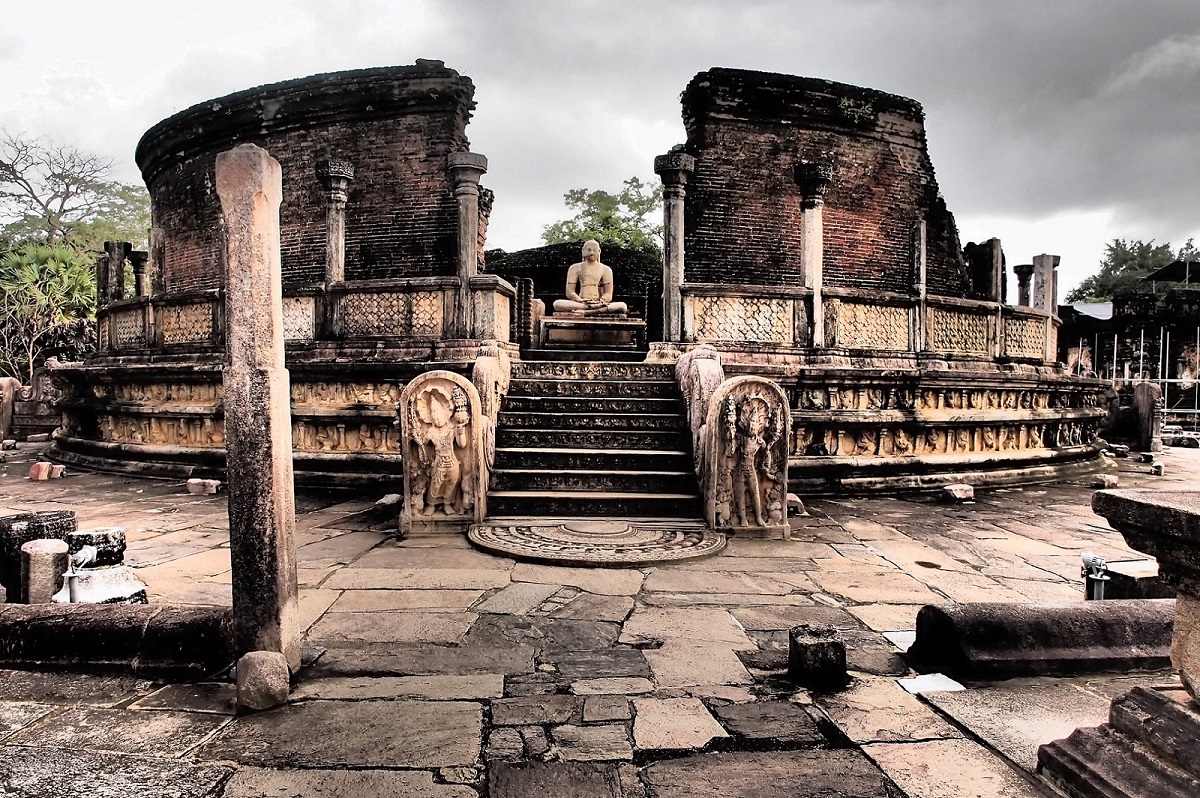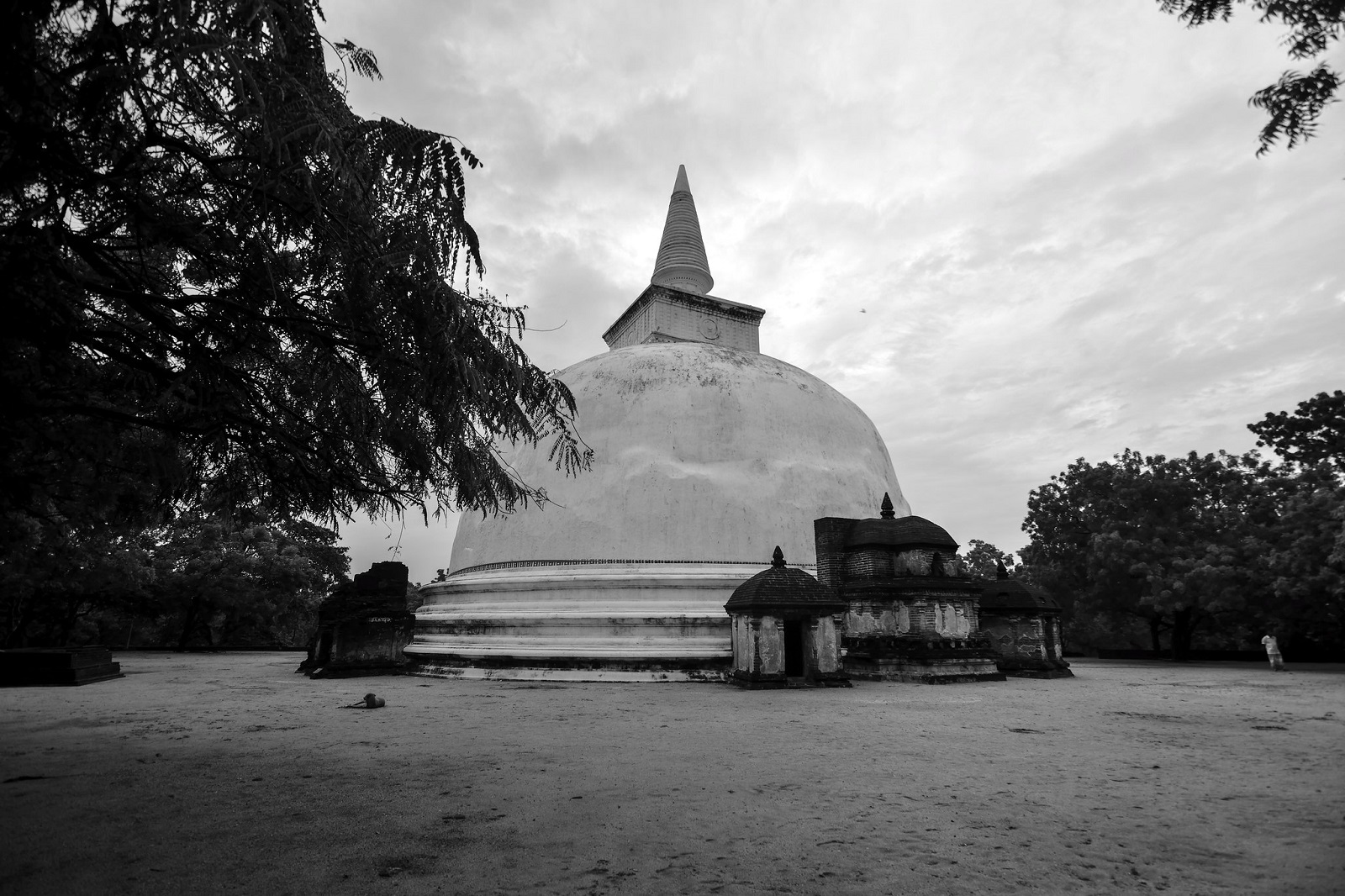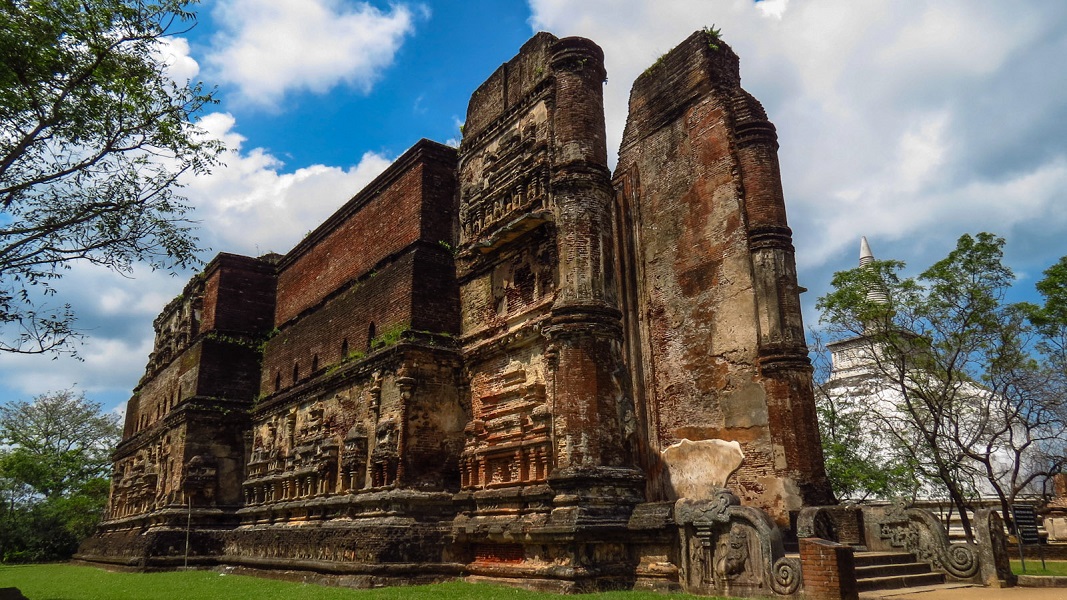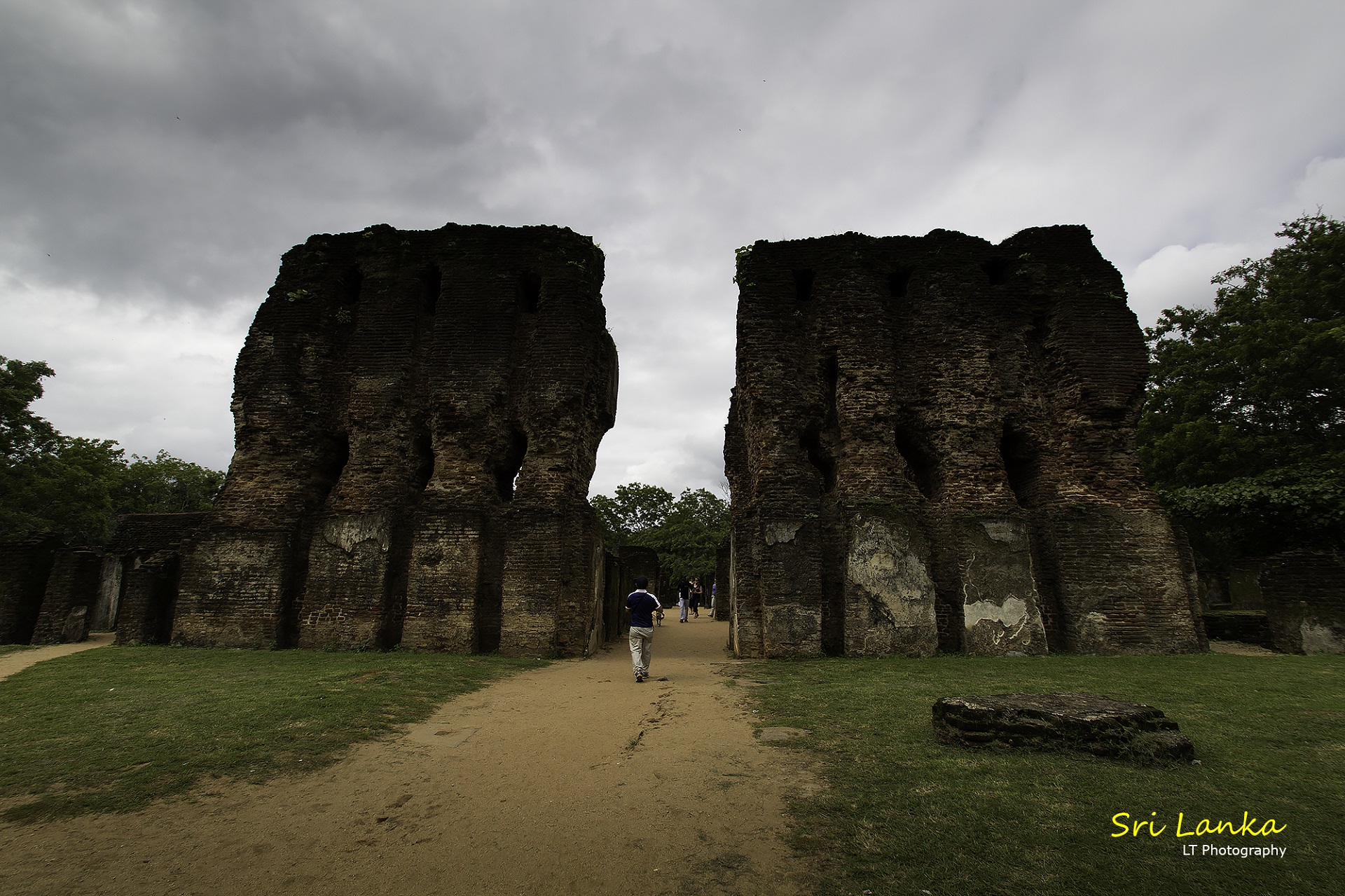

The well-preserved ruins of Polonnaruwa, Sri Lanka’s medieval royal capital, are one of the country’s most prominent cultural sites. You can spend several hours wandering freely between the various ruined temples, imposing Buddha statues and royal bathing pools.
Best Time : 2 hours
Duration : Year-round
First a military base for invading South Indian Chola tribes until King Vijayabahu overthrew them in 1070, Polonnaruwa was subsequently developed into a city by King Parakramabahu I and it became the country’s capital city until the late 13th century. This is regarded as a golden age for Sri Lanka when the kingdom thrived under his visionary rule.
Polonnuruwa is recognised as Sri Lanka’s second capital and it superseded Anaradhapura which was destroyed in 993. The ruins are clustered over an extensive area of about 4kms from north to the south which makes them ideal to explore by hired bicycle. A great man-made reservoir, or tank, named after King Parakramabuhu, and a museum are both within easy reach.
The ancient city is in remarkably good nick and is a fascinating cultural site to visit, home to ruins of a palace, an enormous dagoba, stunning statues and a striking building which has such unusual architecture that it is still unexplained by historians today. Some of the most impressive ruins are the sculptures at the Gal Viahara, which were cut into granite stone in the middle of the 12th century.
The entire sculpture consists of four colossal statues of Buddha - a samadhi image in meditation posture; a seated Buddha image inside a cave; a standing Buddha image which is 23ft in height, and recumbent Buddha image measuring 46ft which depicts the passing away.
As an interesting sideline, you can also learn about the rival monkeys of Polonnuruwa which also contend for supremacy over the site.
For further information on Sri Lanka’s main historic sites please see our regional guide to the Cultural Triangle.
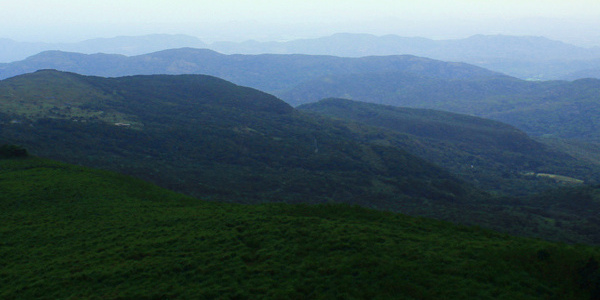
The Knuckles Mountain Range is perfect for hiking – a land of mystical peaks, chattering waterfalls and hidden hillside villages, with breathtaking visas and a remoteness that will appeal to experienced and novice hikers alike.
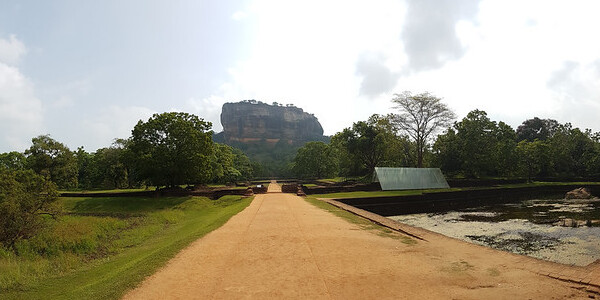
Sigiriya, a UNESCO World Heritage Site, is one of the most majestic, awe-inspiring and stunning historical locations in the world, built in the 5th century AD by ‘mad’ King Kasyapa.
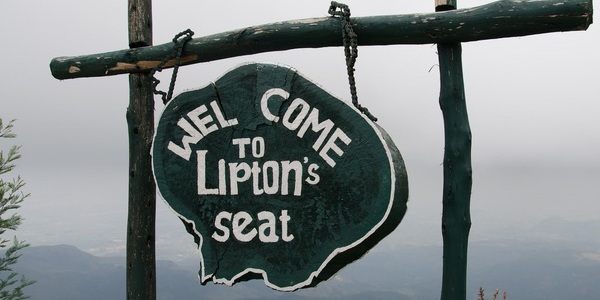
The favourite viewing point of Sir Thomas Lipton, Lipton’s Seat offers one of the most spectacular views of Sri Lanka’s Hill Country. Drive to the top, or walk up through the surrounding plantations.
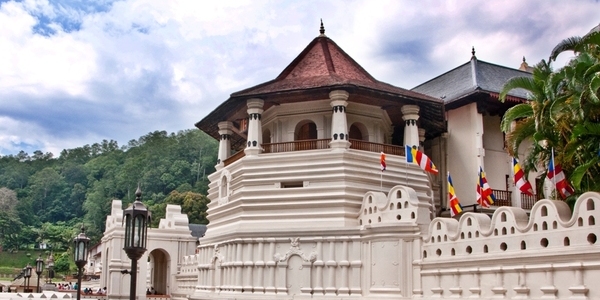
Tradition relates that a sacred tooth relic of Lord Buddha was brought to Sri Lanka in 4th century A.D. and has been enshrined in the Dalanda Maligawa, or Temple of the Tooth, since the late 1500s.
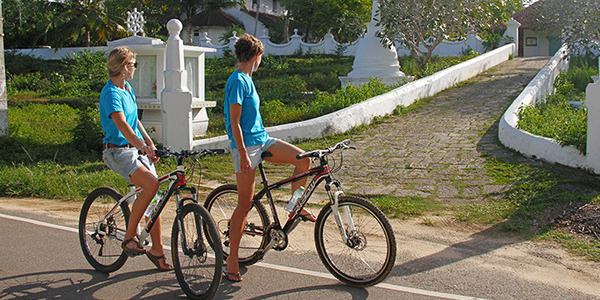
Cycle through Galle’s beautiful countryside, passing paddy fields dotted with iconic white egrets and water buffalo, quiet villages, tea and rice fields. Choose from a range of routes.
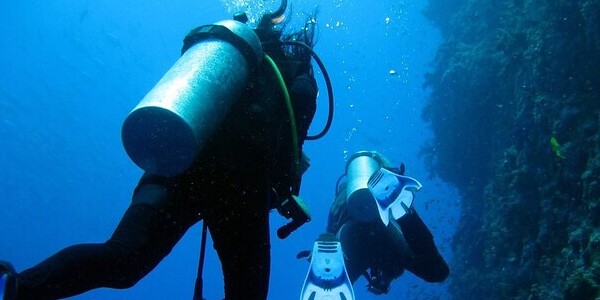
Discover the 6 best water-sport activities in Sri Lanka, from athletic surfing, kite-surfing and windsurfing to laidback snorkelling and sailing trips.
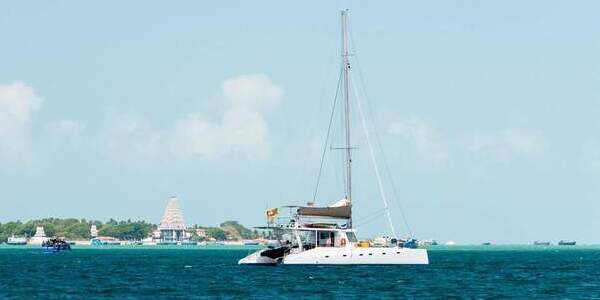
Set out from the shores of Trinco or Pasikudah in a catamaran and explore the splendour of Sri Lanka’s eastern coastline. Go to beautiful private coves and snorkel off colourful reefs.
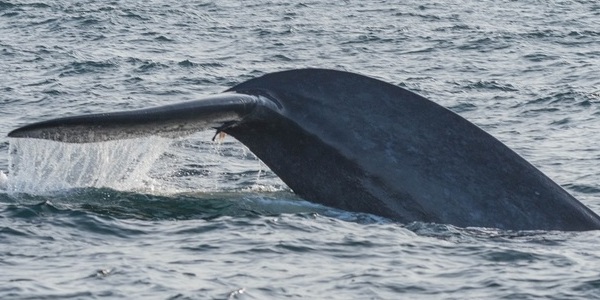
This modern catamaran complete with professional crew sets out from Mirissa Harbour at 6:30am, beating the other boats in order to have the best dolphin and whale sightings.
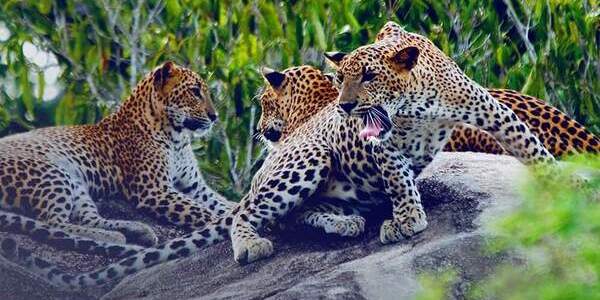
Yala National Park, situated in the south-east corner of the island, is home to the greatest variety of Sri Lanka’s wildlife including the island’s big game – elephants, leopards and sloth bears.
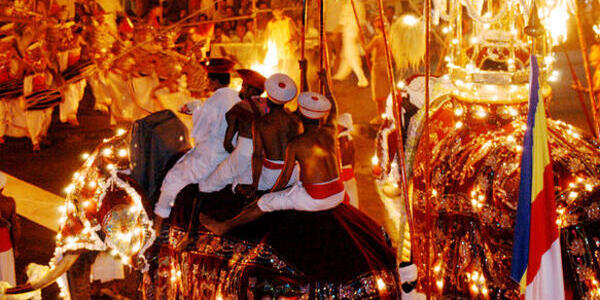
A `Perehara’ is a cultural procession, an ancient historic ritual where tradition, religion, and the arts all come together. The annual Kandy Perahera is an astonishing spectacle.
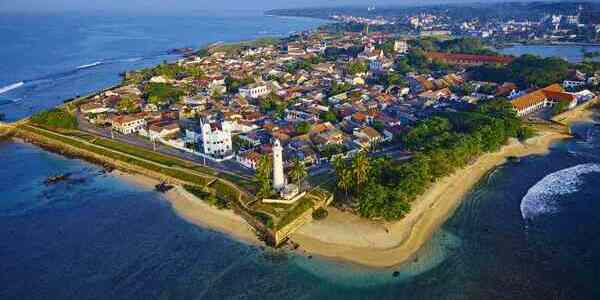
Galle Fort, a UNESCO World Heritage Site originally built by the Portuguese before it was further developed by the Dutch and British, covers nearly 4sqkm and houses a range of old colonial buildings.