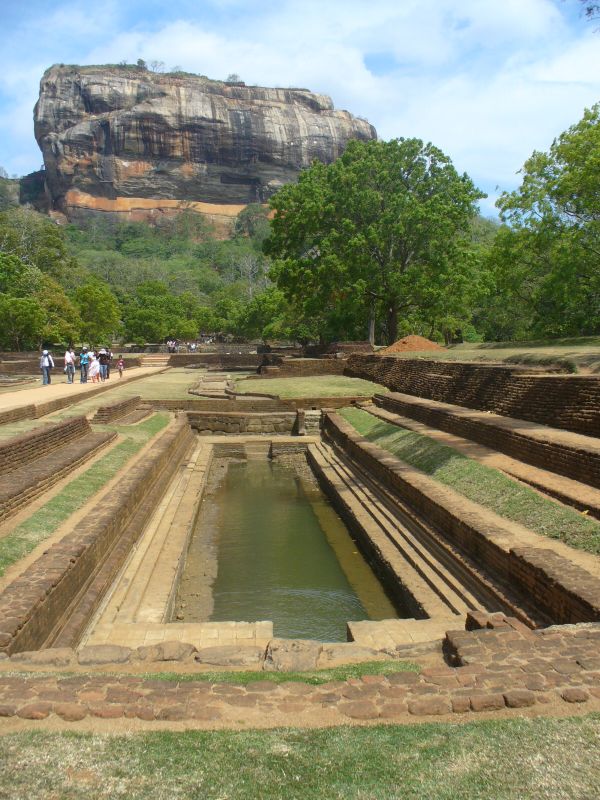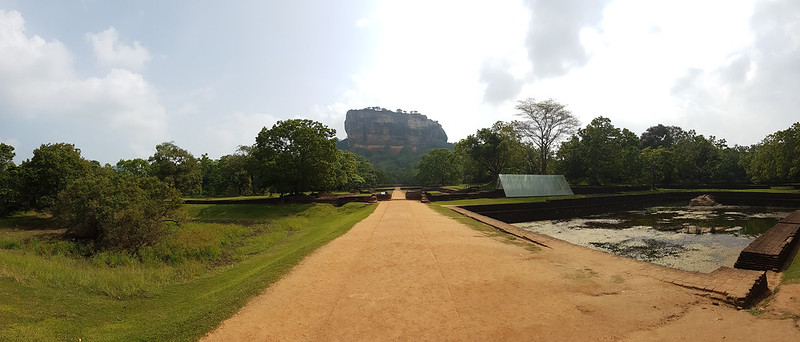

Sigiriya is one of the most dramatic and inspiring historical locations in the world, a huge rock fortress rising impossibly from Sri Lanka’s central plains, and possessed of a glorious history that has caused millions of travellers to gape in wonder.
Best Time : 3 hours
Duration : Year-round
This fortress-palace was built atop a towering rock in the 5th century, and a legendary past of feuding dynasties enhances its striking setting. A UNESCO World Heritage site, worthy of being called the “8th wonder of the world”, Sigiriya is Sri Lanka’s answer to the Taj Mahal and will astonish anyone with its staggering engineering, ancient frescoes and beautiful views across a shimmering landscape.
The Lion Rock of Sigiriya is held to be the short-lived stronghold of the Kasyapa kingdom. Legend has it that King Kasyapa murdered his father, Dhatusena, and claimed the throne for himself, despite the fact that he was not the direct heir – his mother was one of Dhatusena’s concubines.
After killing the king, Kasyapa was fearful that his half-brother, Prince Moggallana, would return from exile in India and rightfully claim his crown. This fear drove him to build the majestic Sigiriya Rock Fortress, protected not only by the rock’s height and sheer sides, but also by stone barracks filled with soldiers and a crocodile-infested moat. He also developed an extensive, incredibly advanced system which allowed water to move between the top and the bottom of the rock, not only to ensure that he and his family had water to drink, but also to fill the beautiful water gardens which he created at the foot of the rock.
Moggallana did return, as Kasyapa had feared, in 491 AD to find Sigiriya in its full-glory and Kasyapa’s army waiting for him. However, despite building what he thought to be an impenetrable stronghold, Kasyapa descended to the plains to mount his elephant and lead his troops in battle. He was defeated and, abandoned by his army, he killed himself and left his half-brother to reign from his fortress-palace paradise.
Moggallana had little interest in spending the rest of his years living on the top of a rock, even one as glorious and monolithic as this, and the caves once again became the homes of Buddhist monks seeking solitude and meditation; according to inscriptions found in the caves, Sigiriya had first served as a place of religious retreat in the third century BC. When the site was abandoned in 1155 it fell into disuse until the British colonial rulers excitedly rediscovered it in 1828.
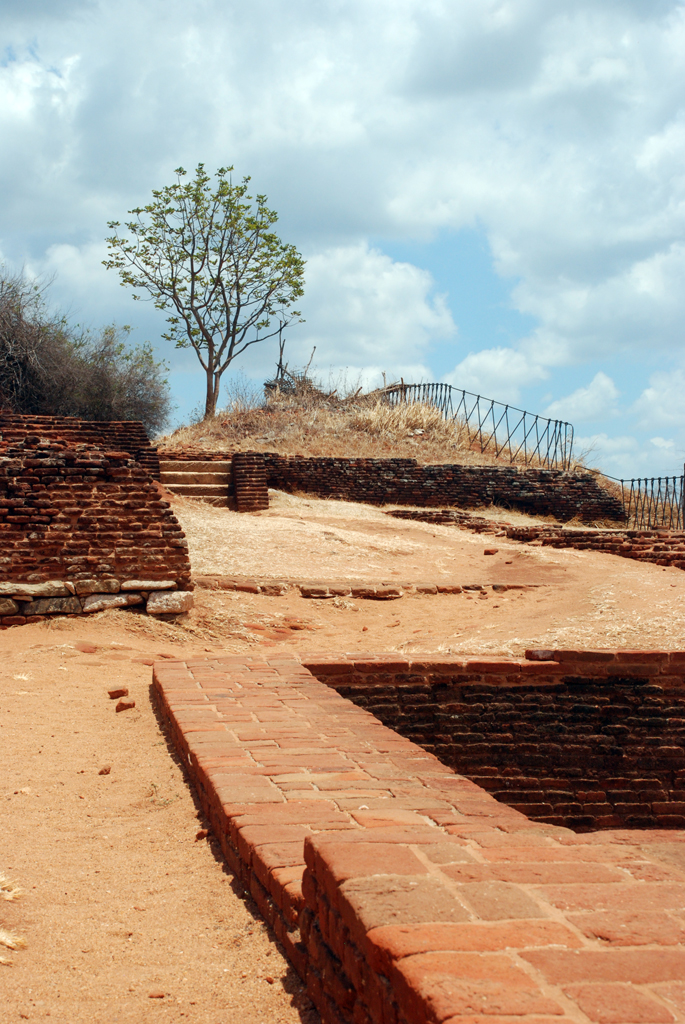
What remains today are extraordinary ruins. Visitors walk through the remnants of the moat and the water gardens to the foot of the rock. A huge, weather-beaten pair of paws remain of what was once the head and paws of a lion, whose open mouth served as the main entrance to the royal palace. The route to the summit continues along stairs carved from the rock and then via a narrow iron staircase driven into the rock, which has replaced the original brick staircase, now long lost, and which can be a challenge for the infirm or faint-hearted.
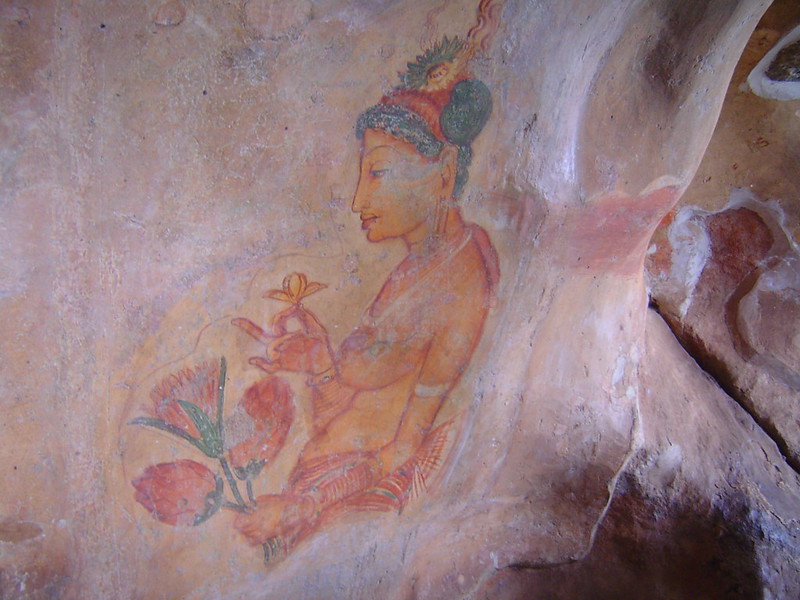
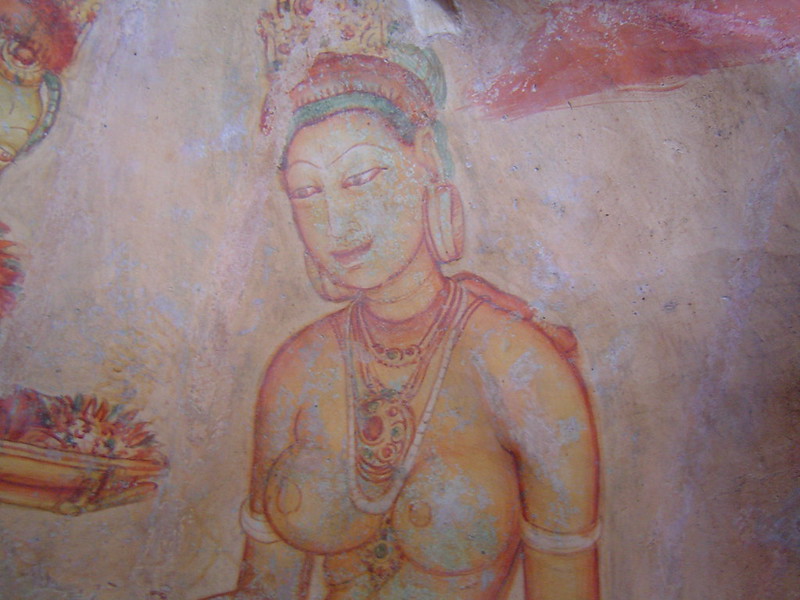
Roughly than halfway to the summit you will find the Sigiriya frescoes – ancient wall paintings of busty maidens, elaborately jewelled and bearing serene expressions, and who probably acted as Kasyapa’s concubines.
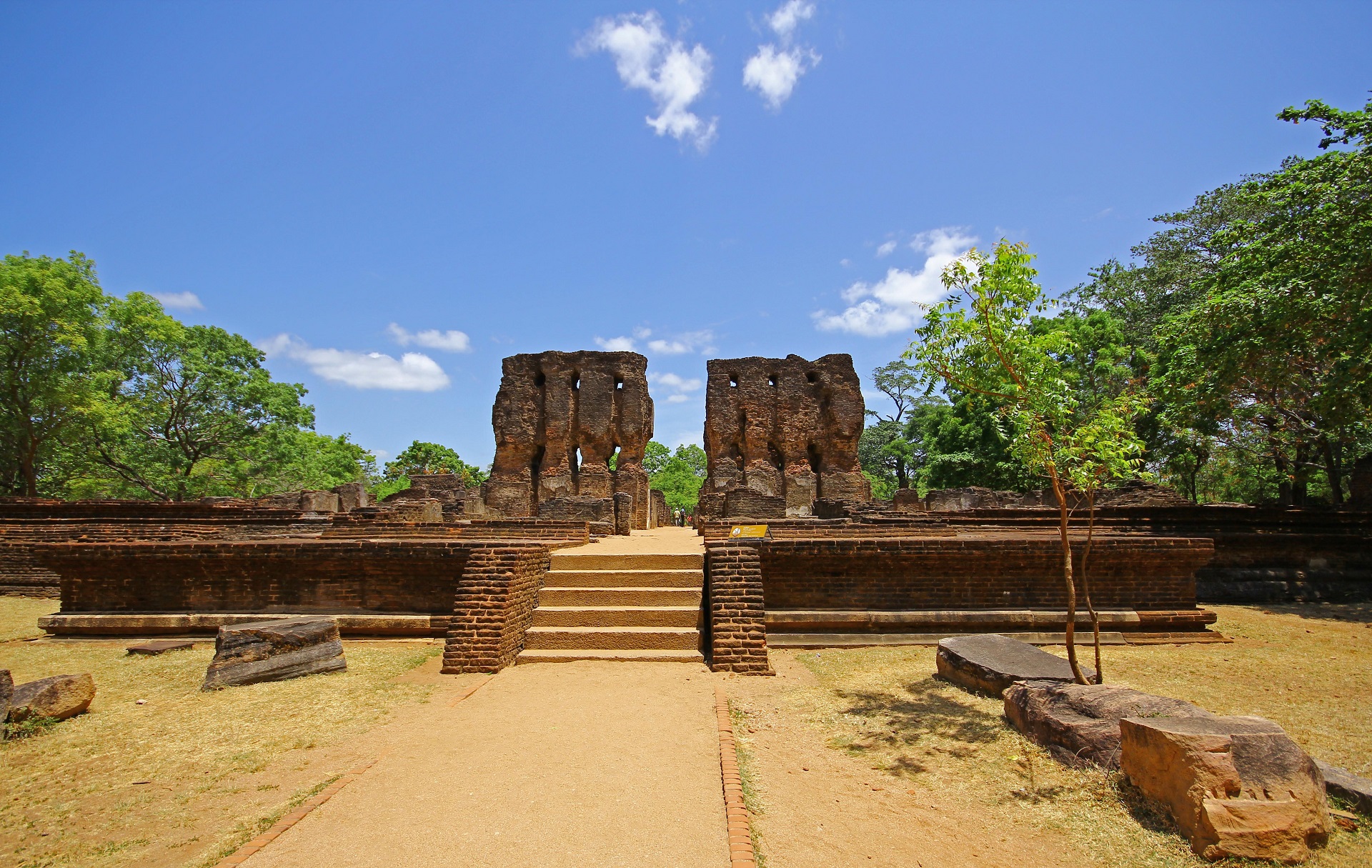
This remarkable place is part of a most popular quartet of historical sites in the Cultural Triangle that also include Dambulla Cave Temple and the ruined cities of Anuradhapura and Polonnuruwa.
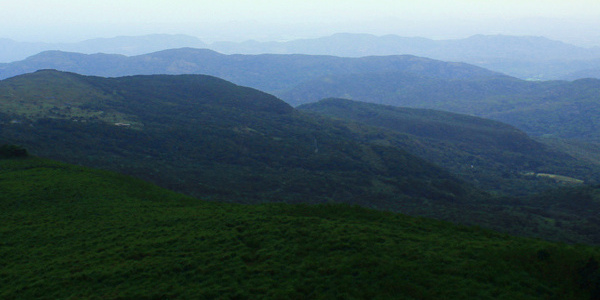
The Knuckles Mountain Range is perfect for hiking – a land of mystical peaks, chattering waterfalls and hidden hillside villages, with breathtaking visas and a remoteness that will appeal to experienced and novice hikers alike.
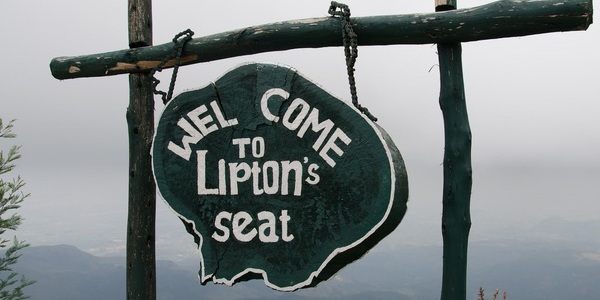
The favourite viewing point of Sir Thomas Lipton, Lipton’s Seat offers one of the most spectacular views of Sri Lanka’s Hill Country. Drive to the top, or walk up through the surrounding plantations.
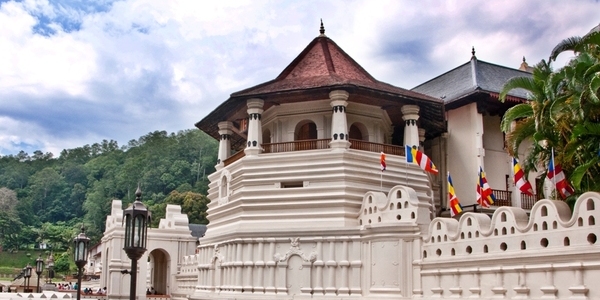
Tradition relates that a sacred tooth relic of Lord Buddha was brought to Sri Lanka in 4th century A.D. and has been enshrined in the Dalanda Maligawa, or Temple of the Tooth, since the late 1500s.
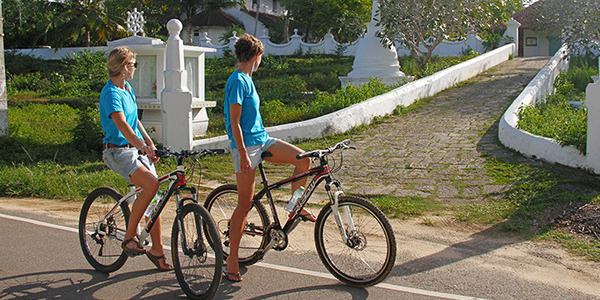
Cycle through Galle’s beautiful countryside, passing paddy fields dotted with iconic white egrets and water buffalo, quiet villages, tea and rice fields. Choose from a range of routes.
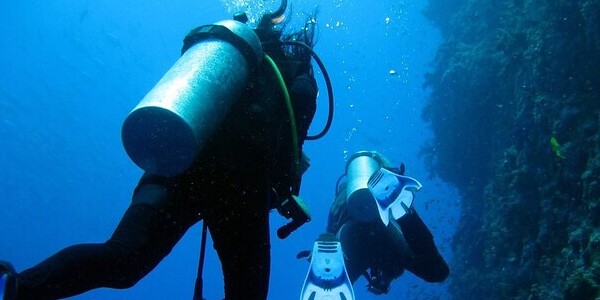
Discover the 6 best water-sport activities in Sri Lanka, from athletic surfing, kite-surfing and windsurfing to laidback snorkelling and sailing trips.
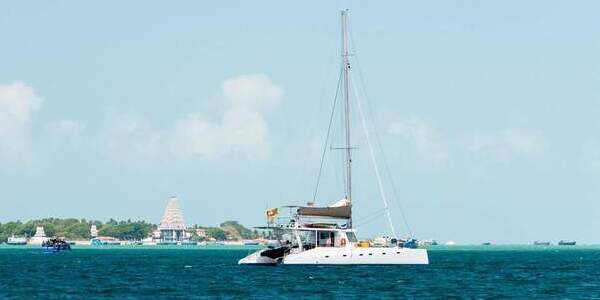
Set out from the shores of Trinco or Pasikudah in a catamaran and explore the splendour of Sri Lanka’s eastern coastline. Go to beautiful private coves and snorkel off colourful reefs.
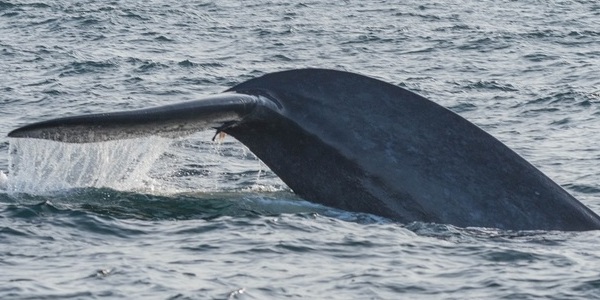
This modern catamaran complete with professional crew sets out from Mirissa Harbour at 6:30am, beating the other boats in order to have the best dolphin and whale sightings.
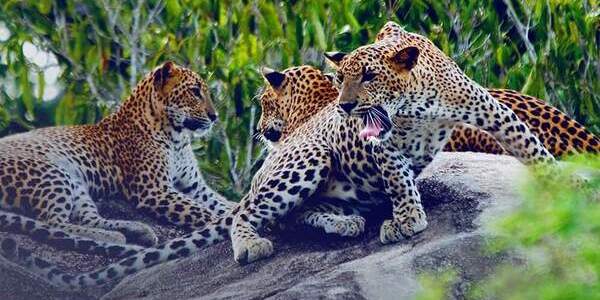
Yala National Park, situated in the south-east corner of the island, is home to the greatest variety of Sri Lanka’s wildlife including the island’s big game – elephants, leopards and sloth bears.
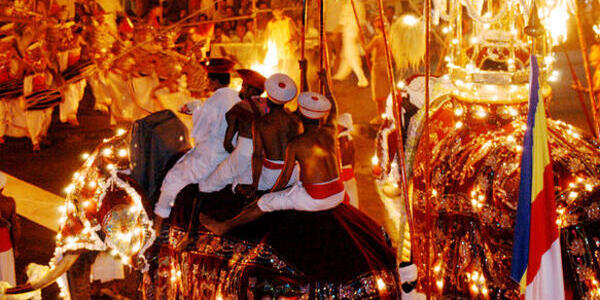
A `Perehara’ is a cultural procession, an ancient historic ritual where tradition, religion, and the arts all come together. The annual Kandy Perahera is an astonishing spectacle.
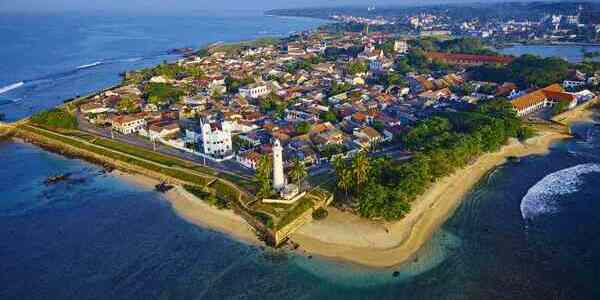
Galle Fort, a UNESCO World Heritage Site originally built by the Portuguese before it was further developed by the Dutch and British, covers nearly 4sqkm and houses a range of old colonial buildings.
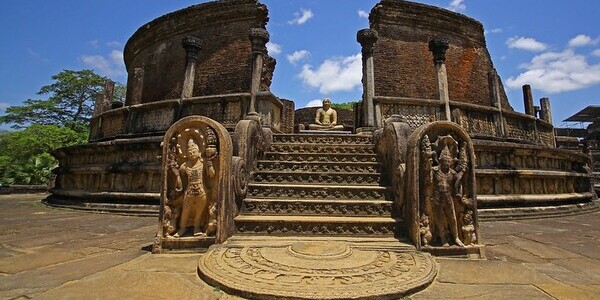
Sri Lanka’s medieval capital from 1073 until the late 1200s, the ruins of the Kingdom of Polonnaruwa are incredibly well-preserved and include magnificant granite sculptures of Lord Buddha.