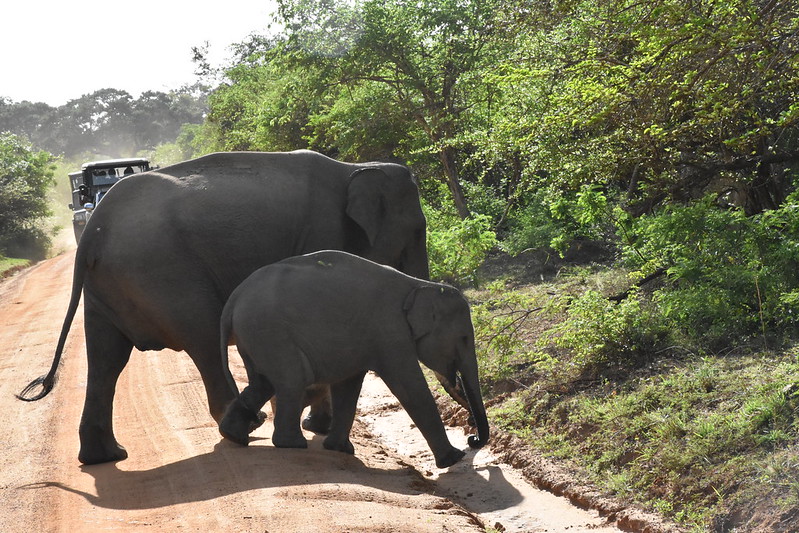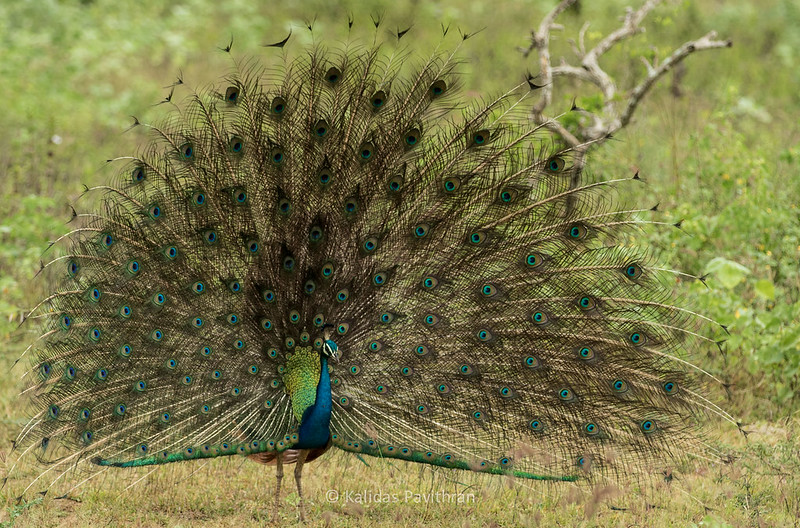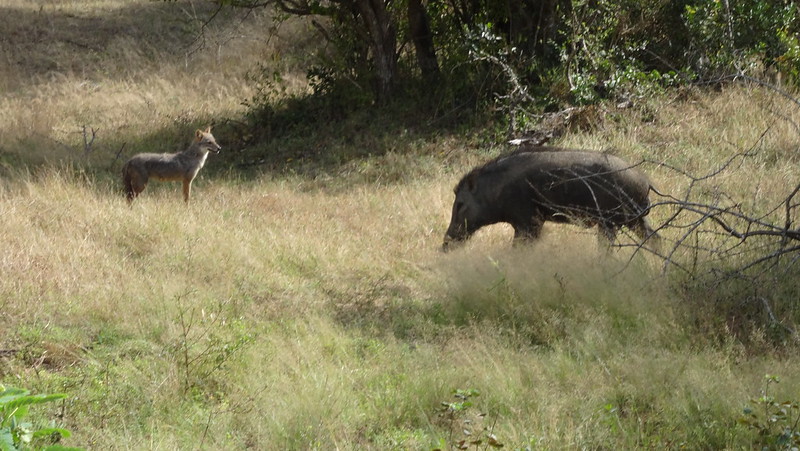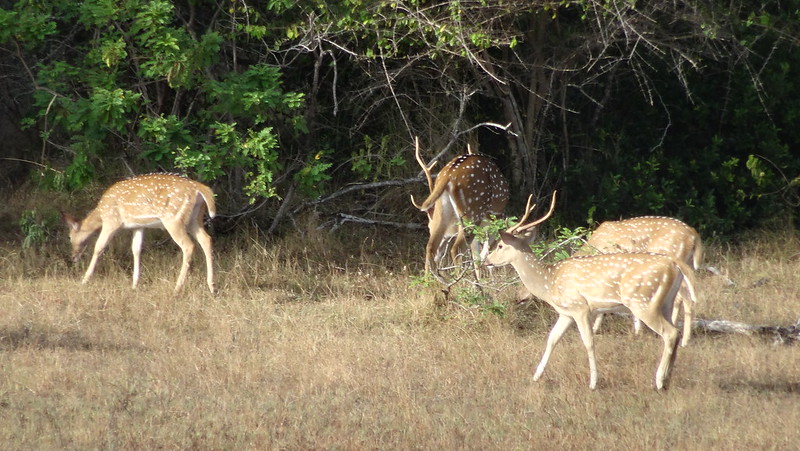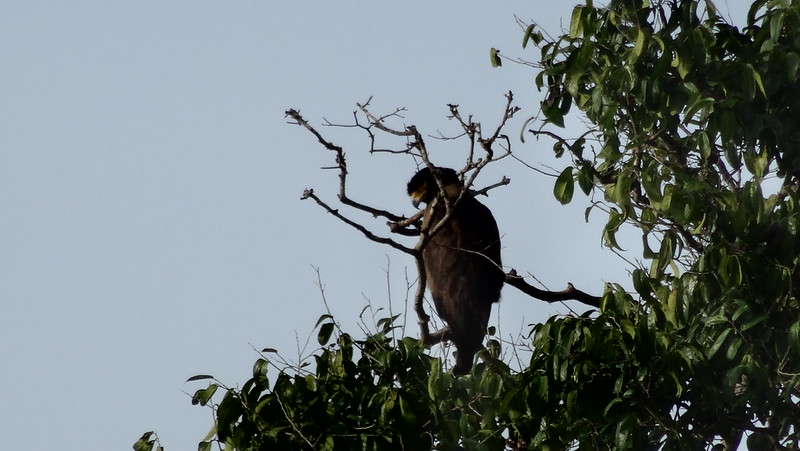

Yala National Park is one of the largest and certainly the most popular national park in Sri Lanka, and has the highest density of leopards anywhere in the world. Hidden away in the far south-east of the country, it comprises five separate blocks covering 141sqkm.
Best Time : 3 hours
Duration : December to August
Yala’s varying habitats – consisting of scrub plains, jungles, rocky outcrops, forest, mangroves fresh water lakes, rivers and coastal lagoons – provide homes for many species of animals including sloth bear, herds of elephants, buffalo, monkeys, sambar, deer, crocodiles. For many, though, the chief attraction is the endangered leopard sub-species Panthera pardus kotiya, which is found only in Sri Lanka. You may see it slinking in the undergrowth or lolling on one of the rock boulders which dot the park. Yala has some the best accommodation options of Sri Lanka’s national parks, but can be busy in peak season.
Yala receives an annual rainfall of less than 1,000 mm from the north-east monsoon from about November to January. The rest of the year remains dry with the period from July to September showing severe drought conditions. Mean temperature is around 27C. The dry months from May to September are the best time for viewing big game in Yala, including leopards and sloth bear. From October to April, Yala becomes home to many species of migratory birds and is a hotspot for bird watching. The first few months of the year are also good for observing leopard cubs.
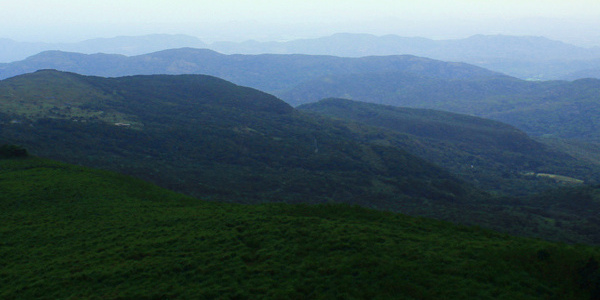
The Knuckles Mountain Range is perfect for hiking – a land of mystical peaks, chattering waterfalls and hidden hillside villages, with breathtaking visas and a remoteness that will appeal to experienced and novice hikers alike.
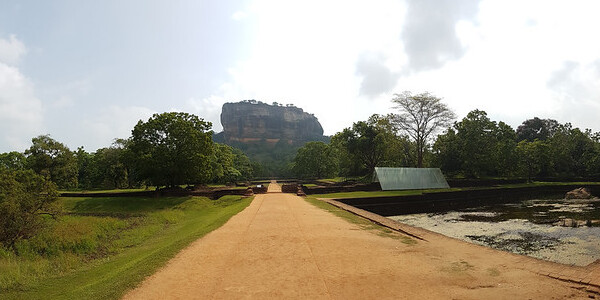
Sigiriya, a UNESCO World Heritage Site, is one of the most majestic, awe-inspiring and stunning historical locations in the world, built in the 5th century AD by ‘mad’ King Kasyapa.
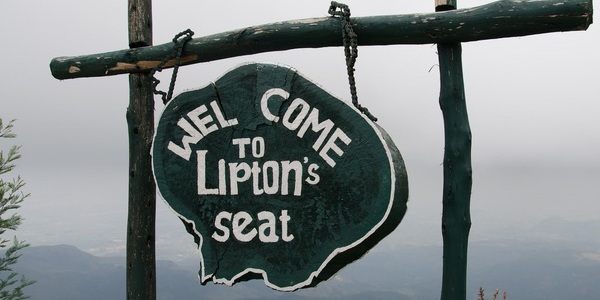
The favourite viewing point of Sir Thomas Lipton, Lipton’s Seat offers one of the most spectacular views of Sri Lanka’s Hill Country. Drive to the top, or walk up through the surrounding plantations.
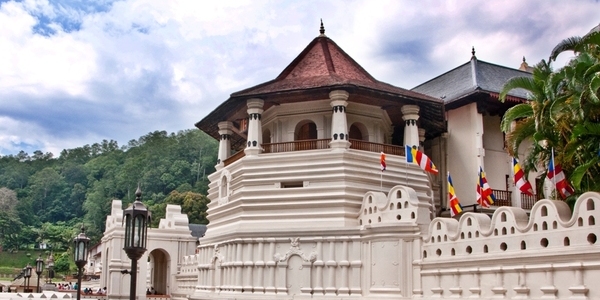
Tradition relates that a sacred tooth relic of Lord Buddha was brought to Sri Lanka in 4th century A.D. and has been enshrined in the Dalanda Maligawa, or Temple of the Tooth, since the late 1500s.
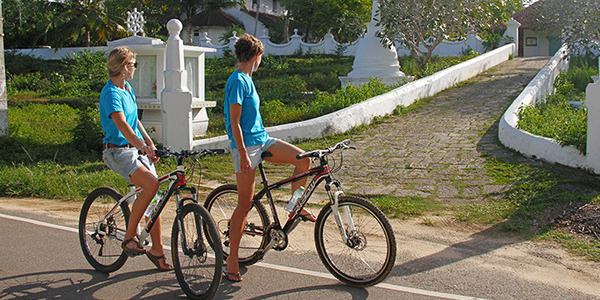
Cycle through Galle’s beautiful countryside, passing paddy fields dotted with iconic white egrets and water buffalo, quiet villages, tea and rice fields. Choose from a range of routes.
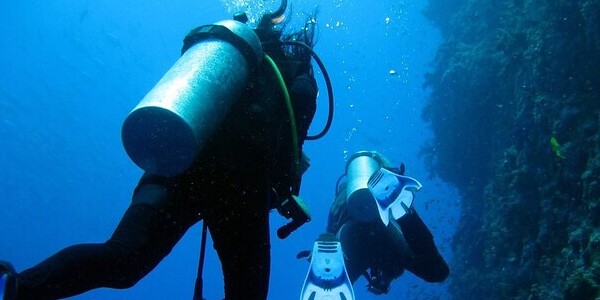
Discover the 6 best water-sport activities in Sri Lanka, from athletic surfing, kite-surfing and windsurfing to laidback snorkelling and sailing trips.
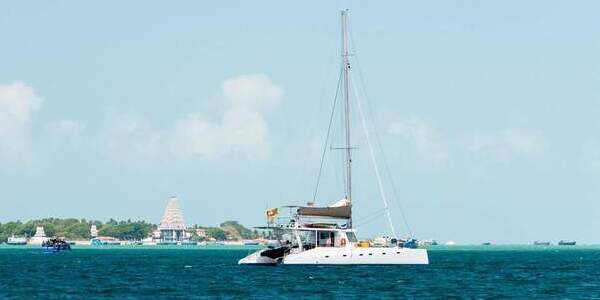
Set out from the shores of Trinco or Pasikudah in a catamaran and explore the splendour of Sri Lanka’s eastern coastline. Go to beautiful private coves and snorkel off colourful reefs.
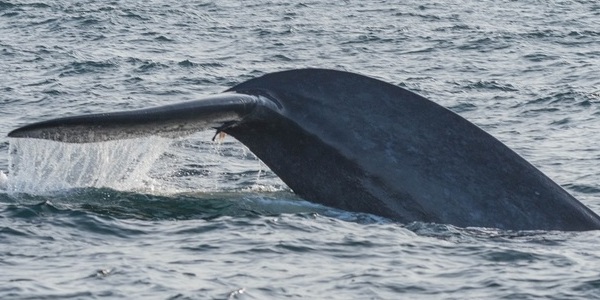
This modern catamaran complete with professional crew sets out from Mirissa Harbour at 6:30am, beating the other boats in order to have the best dolphin and whale sightings.
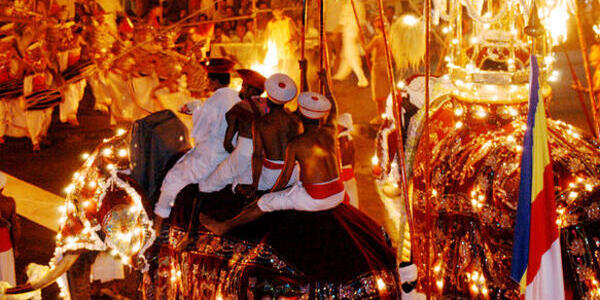
A `Perehara’ is a cultural procession, an ancient historic ritual where tradition, religion, and the arts all come together. The annual Kandy Perahera is an astonishing spectacle.
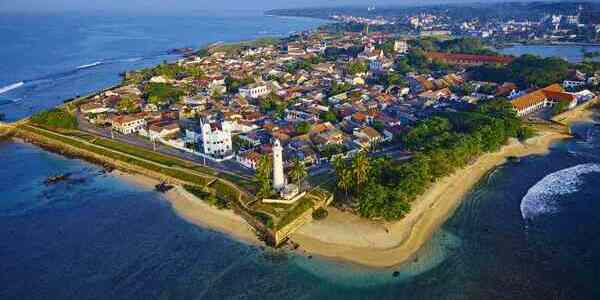
Galle Fort, a UNESCO World Heritage Site originally built by the Portuguese before it was further developed by the Dutch and British, covers nearly 4sqkm and houses a range of old colonial buildings.
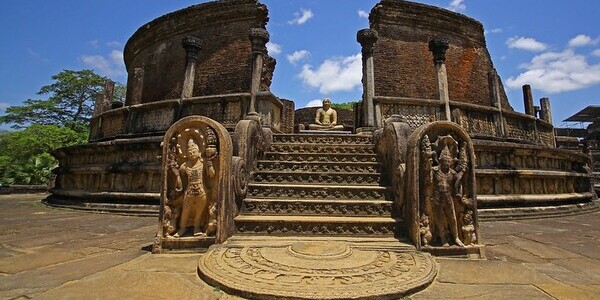
Sri Lanka’s medieval capital from 1073 until the late 1200s, the ruins of the Kingdom of Polonnaruwa are incredibly well-preserved and include magnificant granite sculptures of Lord Buddha.